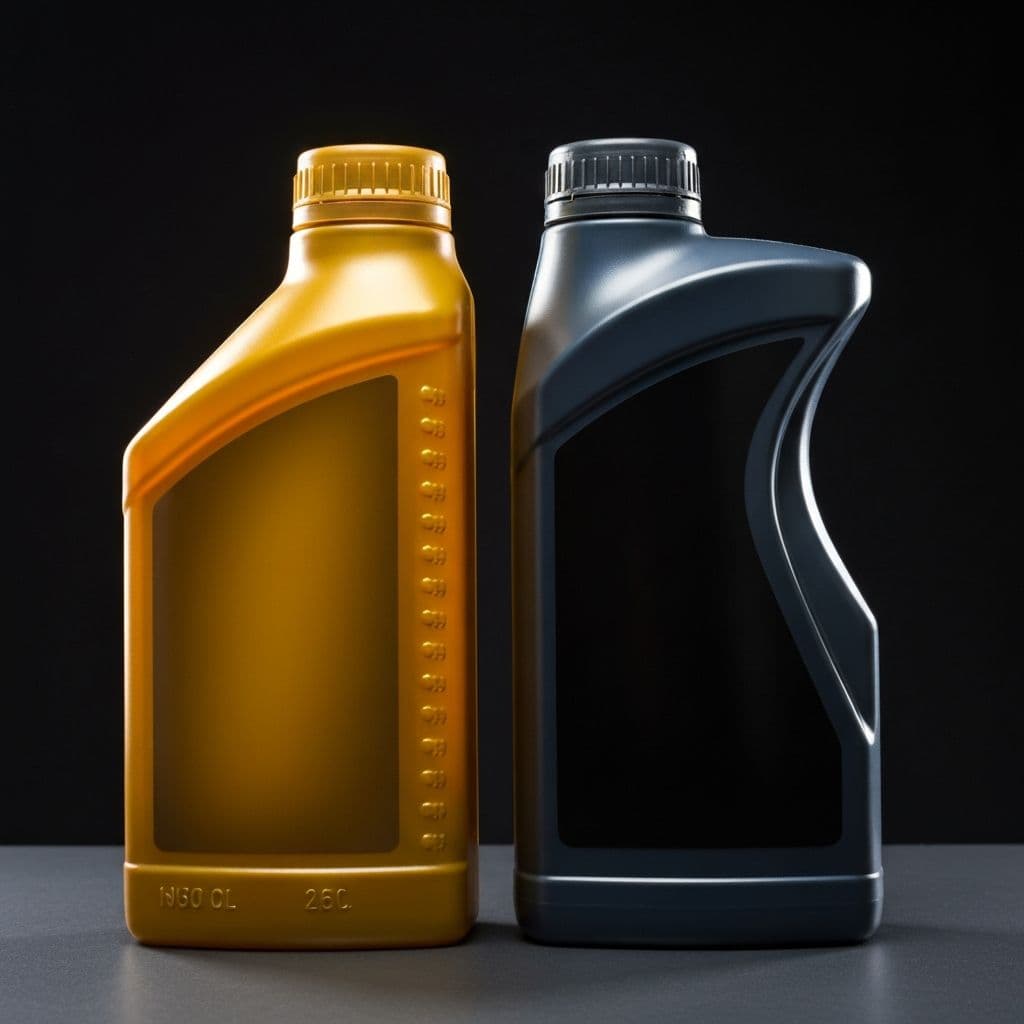
Understanding the Difference
Before we dive into comparisons, let's understand what makes these oils different at a molecular level.
Synthetic Oil
Chemically engineered in laboratories with uniform molecular structure. Molecules are designed for specific performance characteristics.
- - Consistent molecular size
- - Engineered additives
- - Higher purity
- - Better temperature range
Conventional Oil
Refined from crude oil with natural molecular variations. Contains impurities and inconsistent molecule sizes despite refining.
- - Variable molecular size
- - Basic additives
- - Contains impurities
- - Limited temperature range
Benefits of Synthetic Oil
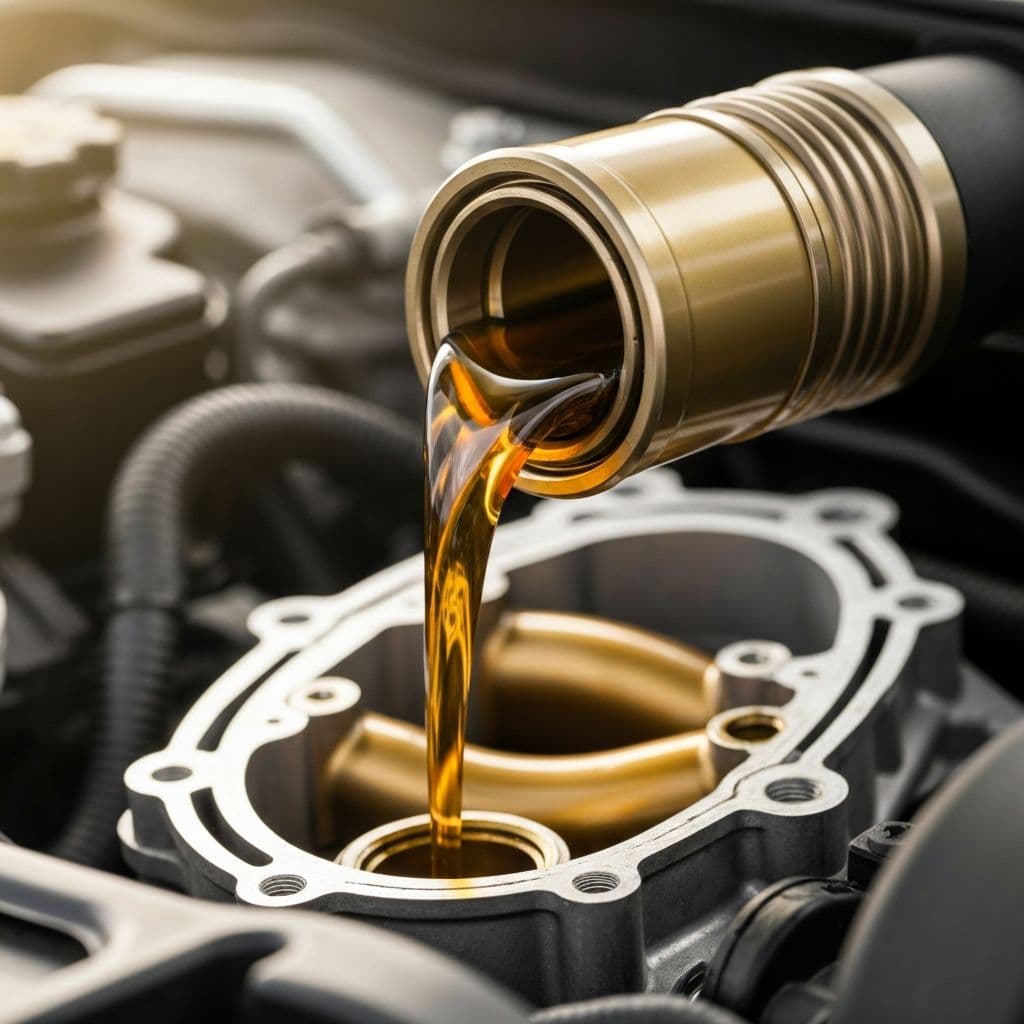
Superior Heat Resistance
Synthetic oils maintain their viscosity and protective properties at temperatures up to 230°C. This is critical in Saudi Arabia where engine temperatures can exceed 120°C during summer driving.
Extended Drain Intervals
Most synthetic oils can safely go 10,000-15,000 km between changes (some up to 25,000 km). This means fewer oil changes, less waste, and lower long-term costs.
Better Engine Protection
Independent tests show synthetic oils provide 75% better wear protection than the minimum API standards. Your engine stays cleaner and lasts longer.
Improved Fuel Economy
The lower internal friction of synthetic oils can improve fuel economy by 1-3%. Over a year of driving, this can save hundreds of Riyals.
Head-to-Head Comparison
| Factor | Synthetic | Conventional |
|---|---|---|
| Heat Stability | Excellent - maintains viscosity to 230°C | Good - starts breaking down at 150°C |
| Cold Start Protection | Flows quickly even at -40°C | Sluggish in cold temperatures |
| Change Interval | 10,000-15,000 km | 5,000-7,500 km |
| Initial Cost | 150-250 SAR per change | 80-120 SAR per change |
| Cost Per KM | 0.015-0.025 SAR/km | 0.016-0.024 SAR/km |
| Engine Wear Protection | 75% better than API minimums | Meets API minimums |
| Fuel Economy | 1-3% improvement | Baseline |
| Environmental Impact | Fewer oil changes = less waste | More frequent disposal needed |
Note: Synthetic wins 6 out of 8 categories, with cost being essentially tied when calculated per kilometer.
Best Choice for Saudi Arabia's Climate
Our Recommendation
For drivers in Saudi Arabia, full synthetic oil is the clear winner. The extreme summer temperatures put conventional oil at a significant disadvantage - it simply cannot provide the same level of protection when the mercury climbs above 45°C.
Ready to Upgrade to Synthetic?
Shop premium synthetic oils from Liqui Moly, AMSOIL, Castrol and more
Frequently Asked Questions
Can I switch from conventional to synthetic oil?
Yes, you can switch anytime. Modern synthetic oils are compatible with conventional oils. However, for best results, we recommend changing the filter and doing a complete drain when switching. No engine flush is needed for most vehicles.
Is synthetic oil worth the extra cost?
In Saudi Arabia's hot climate, absolutely. Synthetic oil lasts 2-3x longer, provides significantly better protection at high temperatures, and can improve fuel economy by 1-3%. When calculated per kilometer, synthetic often costs less.
Will synthetic oil damage old engines?
No, this is a myth from the 1970s. Modern synthetic oils are safe for all engines. However, in very old engines with existing leaks, synthetic's cleaning properties may reveal worn seals. This isn't damage - the seals were already failing.
What about synthetic blend oils?
Synthetic blends offer a middle ground - better than conventional but not as good as full synthetic. In Saudi's extreme heat, we recommend full synthetic for the best protection, but blends are acceptable for budget-conscious drivers.
How do I know which oil type my car needs?
Check your owner's manual for the recommended viscosity and specifications. Most modern cars specify synthetic or allow it. If your manual says 'synthetic recommended' or 'API SN Plus', full synthetic is the best choice.
Make the Switch to Synthetic Today
Join thousands of Saudi drivers who have upgraded to synthetic oil. Better protection, longer intervals, and peace of mind.
Shop Premium Oils at Liqstream